Dope Black Teacher SVG: An Embroidery Designer’s Review
When I first opened the ZIP folder for the Dope Black Teacher Svg, I wasn't just looking at a graphic; I was mentally running a stitch simulation. As an embroidery product reviewer and designer, my immediate concern is always translation. A design that looks bold and vibrant on a screen can easily become a dense, puckered mess on fabric if the lines are too thin or the details too intricate. This particular file, marketed primarily as an outdoor T-shirt design, presents a unique opportunity for apparel decorators and Etsy sellers, but it requires a strategic approach to transition from a digital graphic to a high-quality machine embroidery design.
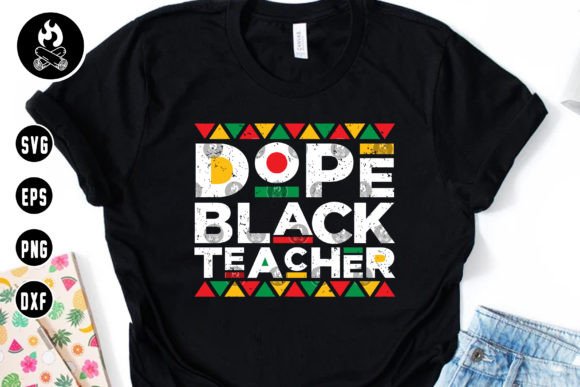
The visual personality of this artwork is unmistakable. It carries a confident, celebratory mood that resonates deeply with educators. The layout suggests a bold typographic focus, likely paired with graphic elements that speak to Black teacher identity and pride. For a craft business or small shop product, this isn't just a decoration; it is a statement piece. However, because the native size is 12 inches by 12 inches, we have to talk about scaling and application before you ever thread a needle.
Real-World Application: The Sweatshirt Test
To truly evaluate this asset, I envisioned a specific real-life scenario: creating a premium crewneck sweatshirt for a teacher appreciation boutique collection. Sweatshirts are a staple for Etsy sellers and handmade product creators during the school year, but they are also unforgiving. The fleece backing and stretchy knit require precision.
In this context, the Dope Black Teacher Svg serves as an excellent center chest or full-back placement. Because the source files include DXF, SVG, EPS, and Transparent PNG formats, you have flexibility. If you are using digitizing software to convert this vector art into stitches, the clean lines of the SVG or EPS will be your best friend. They allow for precise node editing, which is crucial when converting sharp graphic corners into smooth satin stitch columns. For the sweatshirt project, I would recommend keeping the design relatively large—perhaps 8 to 10 inches wide—to maintain legibility and impact. At this scale, the boldness of the original artwork translates beautifully into thread, creating a custom apparel item that feels substantial and professional rather than flimsy.
Navigating Fabric Texture and Stabilizer Choices
While the design shines on stable knits, you must exercise caution with other substrates. The product description highlights this as an outdoor T-shirt design, implying use on cotton or poly-blend jerseys. These fabrics are lighter than sweatshirt fleece and more prone to distortion.
If you are adapting this design for a lighter tee or even a tote bag design, your choice of stabilizer becomes the single most important factor. For a 12-inch design on a T-shirt, a single layer of tear-away might not suffice. I strongly advise testing with a medium-weight cutaway stabilizer to prevent the "bulletproof" effect where the stitched area becomes stiff and heavy while the surrounding fabric sags. When working with dark fabrics, ensure your thread colors offer high contrast. White or metallic gold threads against a black garment will make the design pop, whereas low-contrast combinations will cause the intricate details to get lost in the fabric texture.
Critical Watch Points for Small Hoops and Detail
Not every project can accommodate a 12x12 inch footprint. Many makers want to use this for baby embroidery, caps, or sleeves. This is where practical judgment is required. You cannot simply shrink a complex graphic design by 50% and expect it to stitch out cleanly.
- Lettering Legibility: If the design includes text, reducing it below 4 inches wide may cause letters to merge. Check the minimum height requirements for your specific machine and thread weight.
- Dense Stitch Areas: Large solid areas in the original graphic may need to be converted to fill stitch with reduced density for smaller items like patches or baby clothes to avoid stiffness.
- Curved Surfaces: Using this on a cap requires significant modification. The flat 12x12 geometry does not map naturally to a curved brim without distortion.
- Stretchy Fabrics: On performance wear or ribbed knits, the design may pull the fabric. Always test on scrap material that matches your final embroidery project substrate.
Commercial Viability and Brand Consistency
For creative entrepreneurs and commercial embroidery businesses, this file represents more than just a pretty picture; it is a potential revenue stream. The inclusion of multiple file types (DXF, SVG, EPS, PNG) is a massive advantage. The Transparent PNG allows you to create accurate printable mockups for your online listings before you ever stitch a sample. This saves time and materials while building customer trust through realistic previews.
However, professionalism extends beyond the mockup. When selling a finished product featuring this design, consistency is key. Ensure that your stitch-out matches the crispness of the digital file. Buyers engaging with culturally specific merchandise like "Dope Black Teacher" items are looking for quality that honors the sentiment. A sloppy stitch-out or poor color matching undermines the value of the message. Use this design to build brand recognition by maintaining high standards in every personalized gift or retail item you produce.
Designer Notes: Before You Stitch
As with any digital embroidery file sourced from a graphics pack, due diligence is non-negotiable. Since the provided specifications list vector and raster formats but do not explicitly confirm pre-digitized embroidery formats (like DST or PES), assume you will need to digitize this yourself or hire a professional digitizer.
- Verify Licensing: Before listing any item on Etsy or at a craft fair, confirm the commercial license terms included in the ZIP folder. Ensure you are permitted to sell physical embroidered goods versus digital files.
- Test Stitch Density: Run a test on scrap fabric first. Check if the stitch density is appropriate for your chosen material. Adjust underlay stitches to provide stability on stretchy fabrics.
- Color Mapping: Plan your thread colors in advance. Decide if you will use variegated threads for a dynamic look or solid colors for a classic aesthetic.
- Hoop Size Confirmation: Measure your design after digitizing. Ensure it fits comfortably within your machine’s maximum sewing field with adequate margin for hoop clearance.
- Wash Testing: If this is intended for frequent-wash items like kitchen towels or baby bibs, wash your test swatch to check for thread shrinkage or stabilizer residue.
The Dope Black Teacher Svg is a powerful asset for the right maker. It bridges the gap between digital art and tangible celebration, offering immense potential for holiday embroidery, teacher gifts, and boutique apparel. By approaching it with technical respect and practical testing, you can transform these graphics into heirloom-quality embroidered goods that customers will cherish. Remember, in the world of Crafts and Graphics, the difference between a good product and a great one lies entirely in the execution. Take the time to understand the design's behavior, and your finished embroidery will reflect both your skill and the significance of the message.