Lucky to Be a Teacher SVG: An Embroidery Review
As a professional designer who spends more time behind an embroidery machine than a computer screen, I approach every new digital asset with a healthy dose of skepticism. When evaluating the Lucky to Be a Teacher Svg Design File, my first thought isn't about how cute it looks on a monitor; it is about how those vector lines will translate into physical thread. In the world of Crafts and Graphics, there is often a disconnect between a pristine digital file and a successful stitch-out. After reviewing this design for potential use in client projects and shop inventory, I have found it to be a versatile asset, provided you understand its structural strengths and limitations before hooping your first garment.
First Impressions and Visual Personality
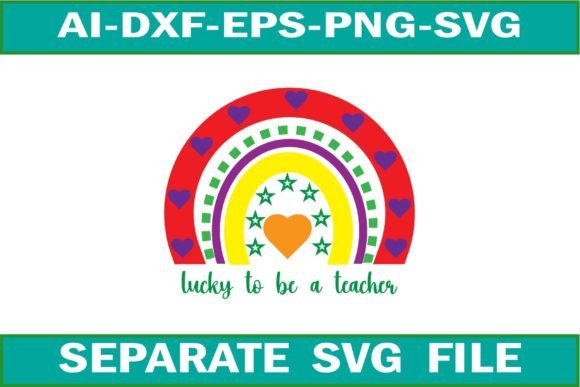
The immediate mood of this design strikes a balance between nostalgic appreciation and modern clarity. For an embroidery project, visual personality matters just as much as technical execution. This design avoids the cluttered, overly intricate aesthetic that often plagues teacher-themed merchandise. Instead, it offers clean lines and a layout that suggests confidence. When I look at the separate SVG and high-quality transparent PNG files included in the ZIP folder, I see a graphic that respects negative space. This is crucial for embroidery because it prevents the "bulletproof vest" effect where dense stitching makes a garment stiff and unwearable.
The typography appears legible at various scales, which is a non-negotiable factor for me. Many novelty fonts fail when reduced for a pocket logo or expanded for a tote bag center. This design seems to maintain its integrity across sizes, making it suitable for both subtle branding and bold statements. The inclusion of AI, EPS, and DXF formats alongside the standard cutting and embroidery formats indicates that the creator understands the multi-disciplinary nature of our work. Whether you are creating vinyl decals to pair with embroidery or digitizing from scratch using the vectors as a template, having these source files adds significant value to your design assets library.
Real-World Application: The Custom Sweatshirt Test
To truly judge this file, I mentally placed it in a real-life production scenario. Imagine preparing a custom crewneck sweatshirt for a retiring educator or a "teacher appreciation" bundle for an Etsy shop. Sweatshirt fleece is unforgiving; it has texture, stretch, and pile that can swallow fine details. I envision using the Lucky to Be a Teacher Svg Design File as the centerpiece for this sweatshirt embroidery.
In this context, the design’s layout works exceptionally well for left-chest placement or a centered back print. If I were digitizing this for fleece, I would utilize the SVG to create a slightly open fill stitch rather than a dense satin stitch for larger areas. This reduces puckering and keeps the garment soft. For the text elements, ensuring adequate column width is vital so the letters don't get lost in the fabric nap. This design feels like it was created with apparel decorators in mind, not just paper crafters. It translates beautifully to a personalized gift that feels boutique-quality rather than homemade. Furthermore, because the PNG background is transparent and high-resolution, creating a printable mockup for your online listing is seamless, allowing customers to visualize the finished product before they buy.
Navigating Fabric Limitations and Hoop Sizes
While the design is versatile, experienced makers know that no file is universal. You must apply critical judgment regarding where not to use this specific graphic. If you are planning a baby embroidery project on thin cotton jersey or ribbed knit, proceed with caution. The design likely contains elements that require stabilization beyond what delicate fabrics can handle without distortion. For baby items, I would recommend testing a simplified version or using the design only on heavier interlock fabrics.
Similarly, be mindful of hoop size constraints. While the vector nature of the SVG allows for infinite resizing, the intended detail level may suffer if scaled down below 3x3 inches. Tiny lettering or intricate lucky charms can turn into thread blobs on a cap or cuff. If you are targeting the embroidered patch market, this design could work, but you would need to verify that the internal details are large enough to accommodate merrowed edges or heat-seal backing. For textured fabrics like terry cloth towels or canvas tote bags, the design holds up better, but you must account for the surface unevenness. Always use appropriate stabilizer; a cut-away is usually safer than tear-away for designs with this level of typographic detail to prevent shifting during the stitch-out.
Commercial Viability for Small Business Owners
For the Etsy seller or small shop product creator, time is money. This design supports commercial efficiency because of its format variety. The DXF file is particularly useful if you operate a laser cutter or plotter alongside your embroidery machine, allowing you to offer mixed-media products like leather patches combined with embroidered garments. The clean aesthetic of the Lucky to Be a Teacher Svg Design File aligns with current market trends that favor minimalist, heartfelt messaging over chaotic clip art collages.
However, professionalism extends beyond the stitch-out. Before listing any finished product or digital derivative, you must confirm the licensing terms. The product description notes it is a digital download, but specific commercial usage rights for selling physical embroidered goods versus reselling the digital file itself must be verified. Assuming you have the correct license, this design serves as a strong foundation for commercial embroidery collections. It builds customer trust through clear readability and high perceived value. A muddy, poorly executed design reflects badly on your brand; this file, when digitized and stabilized correctly, reflects competence and care.
Essential Designer Notes for Success
Before you commit this design to a final product, adhere to these practical protocols to ensure quality:
- Test Stitch First: Never run a new design on a customer’s garment without a test sew-out on similar scrap fabric. Check for registration issues between color changes.
- Verify Thread Contrast: View the design in black and white during the planning phase. If the values are too similar, the design will disappear on mid-tone fabrics. Adjust thread colors to ensure accessibility and visual pop.
- Inspect Stitch Density: If you are digitizing from the SVG yourself, avoid auto-digitizing. Manually map out satin stitch, fill stitch, and running stitch areas to control density and prevent fabric damage.
- Check Licensing: Re-read the terms included in your ZIP folder. Ensure you are compliant regarding handmade product sales versus digital redistribution.
- Mockup Realism: Use the transparent PNG to create realistic previews, but always include a photo of an actual stitch-out in your listing. Digital perfection does not equal embroidery reality, and customers appreciate transparency.
- Fabric Compatibility: Match the design complexity to the material. Reserve the full-detail version for stable woven fabrics and simplify for stretchy knits or holiday embroidery on plush textures.
Ultimately, the Lucky to Be a Teacher Svg Design File is a robust tool for the serious crafter and business owner. It bridges the gap between digital graphics and tangible textiles effectively. By respecting the technical requirements of machine embroidery and leveraging the high-quality source files provided, you can transform this digital asset into a best-selling custom apparel line or a cherished keepsake. Success lies not just in owning the file, but in applying your expertise to bring it to life with needle and thread.