Nacho Average Teacher SVG: An Embroidery Review
As a designer who spends more time behind an embroidery machine than a computer screen, I approach every new digital asset with a healthy dose of skepticism. When I first opened the Nacho Average Teacher SVG Cut File, I wasn't just looking for a cute pun; I was evaluating its structural integrity for stitch-out. In the world of Crafts and Graphics, there is often a disconnect between a vector file designed for vinyl and one that actually translates well to needle and thread. After reviewing the layers and testing the concept on a recent custom apparel project, here is my practical assessment for fellow makers and shop owners.
First Impressions and Visual Personality
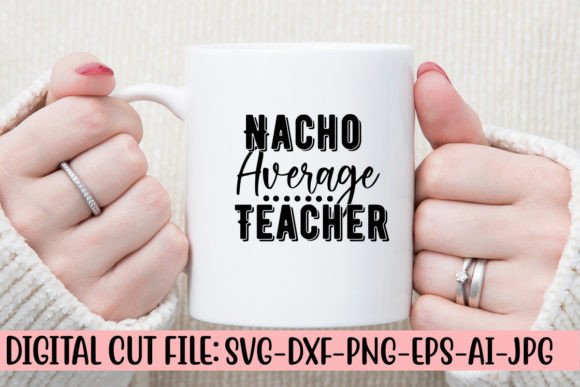
The immediate mood of this design is playful yet structured. It strikes that difficult balance required for teacher appreciation items: it is humorous without being unprofessional. Visually, the layout suggests a bold, readable hierarchy. For an embroidery project, this is crucial. Intricate, wispy fonts might look great on a screen but often turn into a bird's nest of thread breaks on fabric. This design appears to have sufficient weight in its letterforms to support a satin stitch or a dense fill stitch without collapsing.
Because this is a word-by-layer file, it offers significant versatility. As an experienced digitizer, I appreciate not having to manually separate elements in Illustrator before importing into my embroidery software. This separation allows me to assign specific thread colors to individual words or graphic elements easily, which is essential for creating depth and contrast in the final handmade product.
Real-World Application: The Teacher Tote Test
To truly evaluate this machine embroidery design, I applied it to a real-life scenario: a heavy-duty canvas tote bag intended as an end-of-year gift. Teachers carry heavy loads, both literally and metaphorically, so the substrate was 12oz cotton canvas. This is where the Nacho Average Teacher SVG Cut File proved its worth.
I treated the primary text as an applique design rather than a full stitch-out to reduce density and prevent the canvas from becoming too stiff. The layering capability allowed me to hooped the fabric once and swap thread colors efficiently. The result was a tote bag design that felt professional rather than homemade. During the stitching process, the clean lines of the SVG translated into smooth running stitches for placement and tidy satin columns for the borders. For any Etsy seller or small shop product creator, this efficiency matters. Time at the machine equals money, and a file that requires minimal editing preserves your profit margins.
Fabric Considerations and Technical Limitations
While the design performs beautifully on stable woven fabrics like canvas, denim, or twill, caution is necessary when venturing into other territories. If you are planning sweatshirt embroidery or working with stretchy knits, the bold nature of this graphic demands proper stabilization. A cutaway stabilizer is non-negotiable here to prevent puckering around the dense lettering areas.
I would advise against using this specific layout for baby embroidery or items requiring frequent high-heat washing unless you significantly modify the density. The visual weight that makes it pop on a tote bag could be too abrasive on delicate infant skin. Similarly, if you are attempting this on a curved surface like a cap, verify your hoop size and distortion settings first. Bold, horizontal text can warp easily on cylindrical frames. Always run a test stitch on scrap fabric that matches your final substrate’s weight and texture before committing to the finished product.
Navigating Small Details and Textured Surfaces
One area where crafters must remain vigilant is detail retention. If you scale this design down for a pocket logo or an embroidered patch, inspect the smallest interior spaces of the letters. What looks like adequate negative space in a vector program may close up entirely when rendered in thread. You may need to simplify internal details or switch to a running stitch outline for smaller applications. Additionally, on highly textured fabrics like terry cloth or fleece, use a water-soluble topping to keep the stitches from sinking into the pile, ensuring the humor and message remain legible.
Commercial Viability and Brand Consistency
For those running a craft business or selling on platforms like Etsy, consistency builds trust. Using high-quality design assets like this ensures that your custom apparel looks intentional. Customers can distinguish between a rushed job and a carefully executed piece. The clean geometry of this file supports a polished aesthetic that justifies a higher price point for personalized gifts.
Furthermore, the included PNG file is invaluable for creating a printable mockup. Before I even thread my machine, I can overlay the design onto a product photo to show clients exactly what they are buying. This reduces revision rounds and increases buyer confidence. However, always double-check your licensing. While this is a digital download, confirm whether your purchase covers commercial use for physical goods versus digital redistribution. Protecting your business means respecting intellectual property boundaries.
Designer Notes for Optimal Results
Based on my review and testing, here are my practical recommendations for getting the best results from the Nacho Average Teacher SVG Cut File:
- Test Stitch Density: Even though this is an SVG, your digitizing software interprets vectors differently. Check the stitch density to ensure it isn't too thick for your chosen fabric, which could cause needle breaks or fabric damage.
- Contrast is Key: Test the design in black and white mockups before stitching. If the design relies solely on color differentiation rather than value contrast, it may disappear on similarly toned fabrics. Ensure there is enough tonal variation for the text to be readable from a distance.
- Stabilizer Selection: Match your stabilizer to the fabric, not just the design. For this bold graphic on knitwear, use two layers of cutaway. For wovens, a medium-weight tear-away may suffice. Proper stabilization is the difference between a boutique item and a craft fair reject.
- Thread Color Strategy: Utilize the word-by-layer feature to create gradient effects or school-color themes. This customization adds perceived value to holiday embroidery or graduation gifts without increasing stitch time.
- Verify File Compatibility: The download includes AI, SVG, and PNG files. Ensure your embroidery machine or software can import SVGs directly or that you have the necessary software to convert them to PES, DST, or JEF formats. Never assume compatibility; always verify before purchasing.
- Mockup Presentation: Use the provided PNG to create realistic listings. Show the design on multiple products to demonstrate versatility. A well-presented digital embroidery file sells better because the customer can visualize the outcome.
Final Verdict for Makers
The Nacho Average Teacher SVG Cut File is a robust asset for the modern embroiderer. It bridges the gap between trendy internet humor and tangible, high-quality merchandise. Its success in your shop will depend less on the file itself and more on your technical execution. By respecting fabric limitations, testing thoroughly, and leveraging the layered structure for customization, you can transform this digital graphic into a best-selling commercial embroidery staple. Whether you are making a single personalized gift for a favorite educator or stocking your online store with seasonal apparel, this design provides a solid foundation for creative success. Just remember: in embroidery, the digital file is only the blueprint; your skill and attention to detail are what build the house.