Teacher SVG Design Best Kid Ever: A Maker's Review
As a professional embroidery digitizer and product reviewer, I approach every new graphic asset with a specific question: will this actually stitch out cleanly on fabric? When evaluating the Teacher SVG Design Best Kid Ever, my assessment goes beyond the screen. While this digital file is categorized under Crafts and Graphics, its true value lies in its translation to thread. For Etsy sellers, apparel decorators, and hobbyists, understanding how this design behaves during production is just as important as its visual charm. This review breaks down the practical realities of using this design for real-world projects, from custom apparel to personalized gifts.
First Impressions and Visual Personality
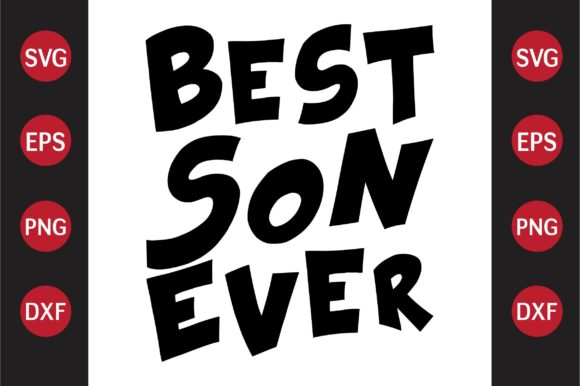
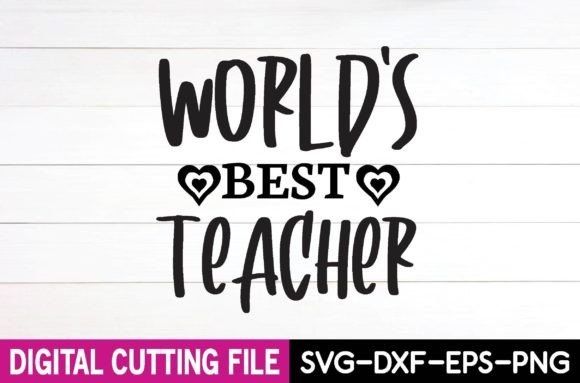
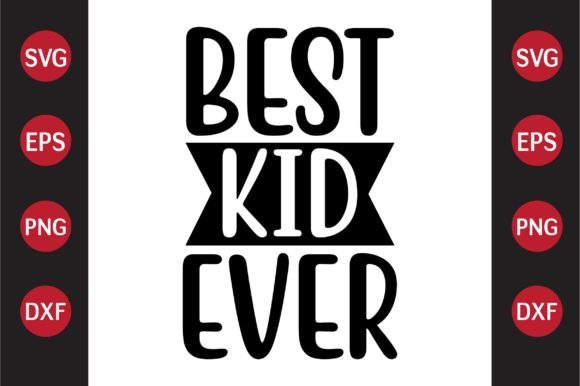
Upon extracting the zip compressed folder containing the SVG, EPS, DXF, and PNG files, the first thing that stands out is the sentiment. "Best Kid Ever" paired with teacher-themed elements creates an immediate emotional connection. It strikes a balance between playful appreciation and heartfelt gratitude. Visually, the layout suggests a design that would serve as a strong focal point rather than a subtle accent. The typography appears bold enough to withstand the translation from vector to stitch, which is critical for legibility in machine embroidery design work.
The mood is undeniably warm and celebratory. For a creative entrepreneur or handmade shop owner, this aesthetic fits perfectly into the niche of end-of-year teacher gifts or back-to-school merchandise. However, as a designer, I am looking at the negative space and line weight. The shape feels balanced, suggesting it could work well as either a standalone chest placement on a sweatshirt or a centered motif on a tote bag. The inclusion of multiple file formats means you have flexibility; the SVG and DXF are ideal for cutting machines if you plan to create vinyl versions, while the PNG serves as an excellent reference for printable mockups or digital product previews before you commit thread to fabric.
Real-World Application: Stitching a Custom Sweatshirt
To truly evaluate this asset, I mentally simulated a common client request: a custom embroidered sweatshirt for a favorite teacher. In this scenario, the Teacher SVG Design Best Kid Ever needs to perform on fleece or French terry fabric. These materials have texture and stretch, which can distort delicate details. Because this design likely relies on clear lettering to convey its message, stitch density becomes a primary concern. If the satin stitch columns are too narrow, they risk sinking into the fleece pile; if they are too wide, they may cause puckering.
For this specific application, I would treat this as a commercial embroidery project requiring high stability. Using a medium-weight cutaway stabilizer would be non-negotiable to prevent the design from warping after washing. The visual appeal of the finished product depends entirely on crisp edges. If the design includes intricate fill stitch areas representing icons or graphics, testing on scrap fabric is essential to ensure those elements don't become bulletproof or overly dense. A successful sweatshirt embroidery project using this design should feel soft to the touch, not like a stiff patch glued to the garment. This tactile quality is what builds customer trust and encourages repeat business for your craft business.
Navigating Fabric Challenges and Hoop Limitations
While the design shines on stable knits, caution is required for other applications. If you intend to use this for baby embroidery on thin cotton onesies, the stitch count and density must be verified first. Heavy designs on lightweight fabric lead to tearing and poor drape. Similarly, placing this design on curved surfaces like caps requires careful consideration. Unless the artwork was specifically digitized for cap frames with proper pull compensation, flattening it onto a curved brim could result in registration errors where outlines do not meet fill areas.
Dark fabrics present another variable. If the Teacher SVG Design Best Kid Ever relies on light-colored threads for contrast against a navy or black background, you must ensure the underlay stitching is sufficient to prevent the fabric color from bleeding through. Conversely, on textured fabrics like tea towels or linen aprons, fine running stitch details might get lost. In these cases, the design works best when scaled appropriately. Do not shrink this design below its recommended minimum size, as tiny lettering often turns into illegible thread nests. Always confirm the hoop size requirements in your software before starting, ensuring you have adequate margin for the presser foot and hoop movement.
Commercial Viability and Product Value
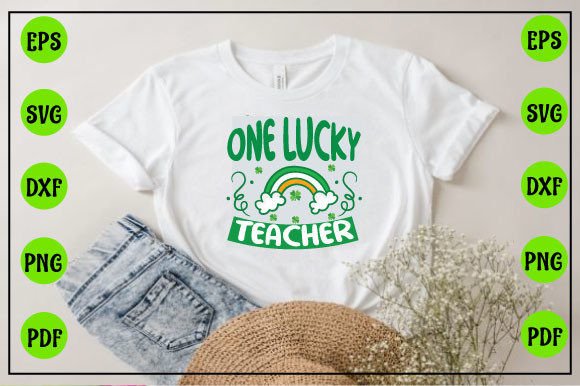
For small shop products and Etsy listings, this design offers significant versatility. Beyond apparel, consider how it translates to home goods. An embroidered patch version could add value to denim jackets or backpacks, appealing to a younger demographic or parents buying for their children. As a tote bag design, it functions as both a practical item and a sentimental keepsake. The key to maximizing product value here is presentation. Use the included PNG file to create professional mockups that show the design on various blanks. Buyers need to visualize the final outcome, and high-quality digital previews bridge the gap between a digital file and a tangible handmade product.
However, professionalism extends beyond aesthetics. Before listing any finished product or selling the digital embroidery file itself, you must verify licensing. Confirm whether the creator permits commercial use of the stitched-out items versus the resale of the digital assets. Protecting your business means respecting intellectual property. Additionally, brand consistency matters. If your shop specializes in minimalist, modern aesthetics, ensure this design’s personality aligns with your existing catalog. A cohesive collection builds buyer engagement and recognition far better than disjointed trends.
Essential Designer Notes for Success
Based on my experience reviewing similar graphics for production, here are practical steps to ensure success with this design:
- Test Stitch First: Never run this design directly on a final product without a test sew-out on similar fabric. Check for thread breaks, tension issues, and overall clarity.
- Evaluate Contrast: Review thread colors against your chosen fabric. Low contrast reduces readability, especially in photos for social media or online listings.
- Check Stabilizer Pairing: Match your stabilizer to the fabric weight. Stretchy knits need cutaway; woven cottons often do well with tear-away; sheers require water-soluble options.
- Inspect Small Details: Zoom in on the design in your embroidery software. If text elements are smaller than 4mm in height, consider simplifying them or increasing the scale to avoid stitching failures.
- Mockup Verification: Test the PNG in black and white to see if the design holds up without color reliance. This ensures the silhouette and composition are strong enough for single-color embroidery variations.
- Wash Testing: If creating items meant for frequent laundering like kitchen towels or baby clothes, wash your test sample to check for shrinkage or thread distortion.
Final Thoughts on Production Readiness
The Teacher SVG Design Best Kid Ever represents a valuable asset for makers focused on personalized gifts and seasonal merchandise. Its strength lies in its clear emotional messaging and versatile format options. However, its success in your shop depends entirely on technical execution. By respecting fabric limitations, verifying stitch parameters, and maintaining professional standards in both production and presentation, you can transform this digital graphic into a profitable, high-quality physical product. Whether you are crafting a holiday gift or stocking your boutique, approach this design with the technical diligence it deserves, and the results will reflect the care you put into your craft.