Teachers Change the World SVG: An Embroidery Review
As a professional designer who bridges the gap between digital graphics and physical embroidery, I approach every new file with a healthy dose of skepticism. When evaluating the Teachers Change the World, Teacher SVG, my primary concern is not just how it looks on a screen, but how it translates into thread. This design falls squarely within the Crafts and Graphics categories, marketed as a versatile asset for t-shirts, posters, and mugs. However, for those of us running a craft business or managing commercial embroidery projects, the real test is stitchability. After reviewing the source files and visualizing the application, here is my practical assessment of using this design for real-world handmade products.
First Impressions and Digital Versatility
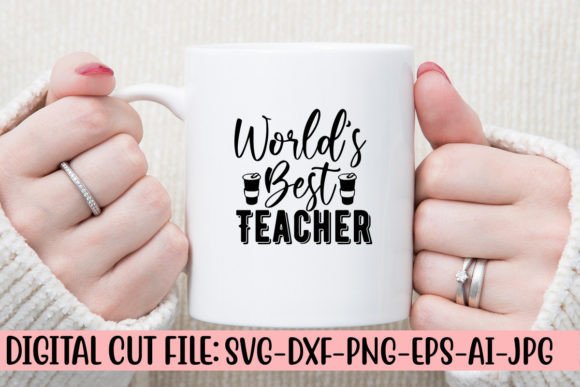
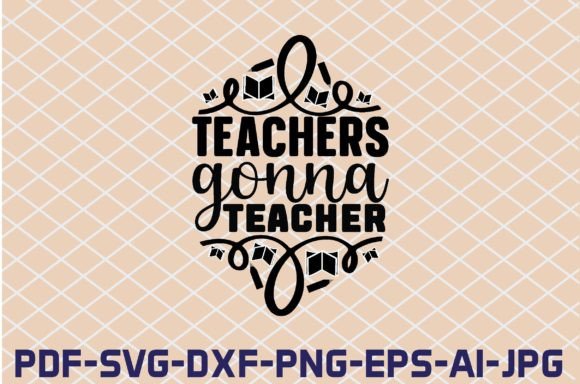
The initial appeal of the Teachers Change the World, Teacher SVG lies in its clean vector architecture. The product description highlights that it includes EPS and SVG formats at 300dpi, which is excellent for print-ready applications like posters or sublimation. For an Etsy seller or digital product seller, this resolution ensures crisp edges in printable mockups and digital previews. The claim of being "100 Color Changeable" is significant for apparel decorators. Unlike raster images where color separation is a nightmare, true vector paths allow us to isolate elements easily. This means if a client wants the word "Teachers" in school colors and "World" in gold, the adjustment takes seconds rather than hours.
Visually, the typography carries a mood of appreciation and professionalism. It strikes a balance between playful and respectful, making it suitable for both elementary school staff gifts and university merchandise. As a graphic, it has strong visual personality without being overly cluttered, which is usually a good sign for potential digitizing. However, as an embroidery designer, I immediately look for thin lines or distressed textures that might cause needle breaks or registration issues. This design appears solid, but users must verify if the provided file is a pre-digitized machine embroidery design or a vector graphic requiring conversion. If it is the latter, expect to spend time assigning stitch types before hitting the start button.
Real-World Application: The Custom Sweatshirt Test
To truly judge this asset, let’s apply it to a common scenario: creating a custom embroidered sweatshirt for a teacher appreciation event. Sweatshirts are a staple for small shop products, but fleece presents specific challenges. When I visualize placing the Teachers Change the World, Teacher SVG on a crewneck, I am thinking about stabilizer and fabric texture. Fleece is thick and stretchy; if the design has dense fill stitch areas, it can create a bulletproof patch effect that ruins the drape of the garment.
In this real-life case, I would recommend modifying the design for embroidery. Instead of a solid block of text, consider utilizing negative space or converting heavy fills to running stitch outlines to maintain the softness of the sweatshirt. For a tote bag design, however, the canvas fabric is much more forgiving. The sturdy weave of a canvas tote can support higher stitch density, making this graphic ideal for left-chest placement or a large center back piece. If you are producing holiday embroidery items or personalized gifts for staff, this design offers enough flexibility to be resized for different products, from adult apparel to smaller accessories like pouches or pencil cases.
Navigating Fabric Limitations and Hoop Sizes
While the Teachers Change the World, Teacher SVG is versatile, it requires careful handling on difficult substrates. I urge makers to exercise caution when applying this to baby clothes or lightweight knits. The phrase "Change the World" implies length, and if the design is too wide for a standard 4x4 hoop size, you may need to split the design or resize it significantly. Tiny lettering on stretchy baby fabric often results in puckering or illegible text. In these instances, testing on scrap fabric is non-negotiable.
Dark fabrics also present a challenge. If the original SVG relies on fine details or light-colored internal elements, they may get lost on navy or black garments unless you use a white underlay or adjust the thread colors for contrast. Curved surfaces like caps are another area of concern. Horizontal text wraps differently on a curved brim or crown. Before committing this design to headwear, run a simulation in your embroidery software to ensure the baseline curves correctly and the letters do not distort. For textured fabrics like terry cloth towels, the detail level of this graphic might need to be simplified. A satin stitch border or a thicker font weight will prevent the stitches from sinking into the pile, ensuring the message remains readable after washing.
Impact on Product Value and Brand Consistency
Using high-quality assets like the Teachers Change the World, Teacher SVG directly influences customer trust and perceived value. In the competitive market of handmade products and commercial embroidery, sloppy stitching or pixelated prints signal amateurism. Because this file includes source vectors, it allows for professional-grade customization that elevates your brand consistency. Whether you are selling finished goods or design assets, maintaining sharp edges and appropriate scaling demonstrates expertise.
For Etsy sellers and creative entrepreneurs, this design supports a cohesive collection. You can use the same graphic across a mug, a shirt, and a digital download, creating recognizable branding. However, value is also determined by durability. Ensure that whichever stitch type you choose—whether applique design techniques or traditional fill stitch—is appropriate for the item's intended use. A kitchen towel needs wash-resistant stitching, while a decorative pillow cover can prioritize aesthetic detail over ruggedness. Matching the technical execution to the product purpose is what separates hobbyists from professionals.
Critical Notes for Makers and Sellers
Before adding this to your production queue, please heed these practical designer notes. First, confirm the licensing. While the file is ready for print and personalization, verify if you have the rights to sell the digital embroidery file itself versus just the finished physical product. Second, always test thread color contrast. What looks vibrant on a monitor may appear muddy when stitched with rayon or polyester threads. Compare light and dark fabric backgrounds in your software before hooping actual material.
- Verify File Type: Confirm if the download is a pre-digitized machine embroidery design or a vector graphic needing conversion.
- Check Licensing: Ensure your usage rights cover commercial embroidery sales and digital product distribution.
- Stabilizer Selection: Match stabilizer weight to the fabric; use cut-away for stretchy knits and tear-away for stable wovens.
- Test Stitch-Out: Always run a sample on similar scrap fabric to check registration and density.
- Resize Responsibly: Avoid shrinking text below legible limits or expanding beyond hoop capacity without re-digitizing.
Ultimately, the Teachers Change the World, Teacher SVG is a strong foundation for teacher-themed merchandise. Its vector nature provides the flexibility needed for modern crafting businesses, but success depends entirely on your technical application. By respecting fabric limitations, choosing appropriate stitch types, and validating your setup through testing, you can transform this digital graphic into a cherished personalized gift or a best-selling boutique product. Treat the file as a starting point for your craftsmanship, not just a plug-and-play solution, and your results will reflect the quality your customers expect.