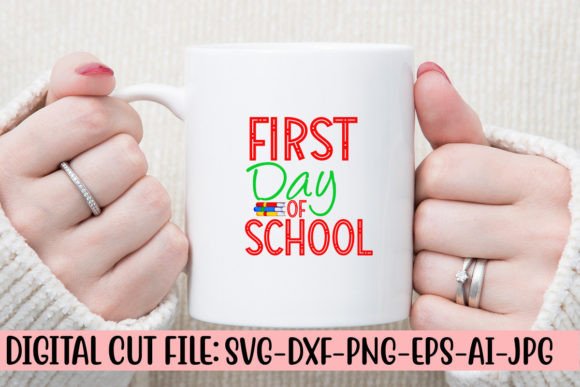
First Day of School SVG Cut File Review
As a professional embroidery digitizer and product reviewer, I approach every new digital asset with a specific question: will this design actually stitch out cleanly on real fabric? When evaluating the First Day of School SVG Cut File, my focus shifts immediately from screen aesthetics to needle performance. This digital download includes word-by-layer SVG files, an AI file, and a PNG, which suggests a versatile graphic intended for both vinyl cutting and potential embroidery conversion. For crafters, Etsy sellers, and apparel decorators, understanding how this vector-based graphic translates into a machine embroidery design is critical before committing it to a finished product.
Visual Personality and Seasonal Mood
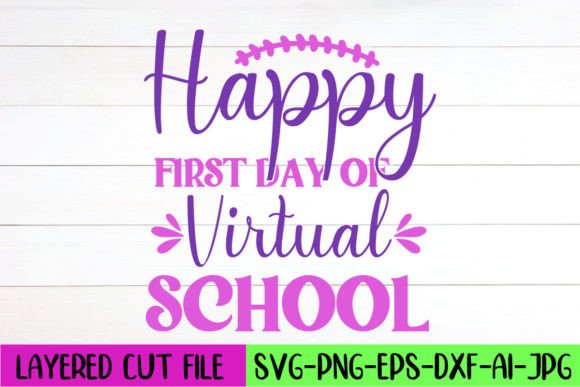
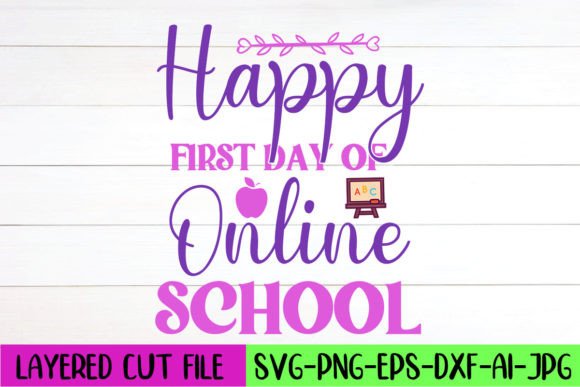
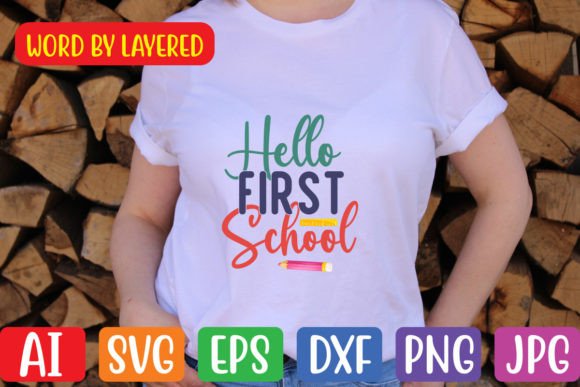
The first impression of this First Day of School SVG Cut File is one of organized nostalgia. The "word by layer" structure indicates a typography-driven layout, likely featuring stacked text or distinct color blocks that represent grade levels or school milestones. Visually, this creates a bold, readable silhouette that communicates instantly. In the realm of Crafts and Graphics, clarity is king. A design that looks cluttered on a monitor will become an unreadable mess once stitched. Fortunately, the layered nature of this file implies clean lines and distinct separation between elements, which is exactly what we look for when planning a sweatshirt embroidery project or a custom tote bag.
The mood strikes a balance between playful and structured. It feels appropriate for the back-to-school rush without being overly juvenile, making it suitable for everything from kindergarten gear to teacher appreciation gifts. For a small shop product, this versatility is valuable. It allows you to target multiple demographics—parents, students, and educators—with a single digital embroidery file asset, provided the conversion from SVG to stitches is handled with precision.
Real-World Application: The Custom Sweatshirt Test
To truly evaluate this design, I mentally place it in a real-life production scenario. Imagine preparing a custom crewneck sweatshirt for a boutique fall collection. The goal is a high-value handmade product that justifies a premium price point. Using the First Day of School SVG Cut File as the base, I would convert the vector layers into specific stitch types. The larger block letters would be ideal candidates for a fill stitch or perhaps an applique design if I wanted to reduce stitch count and add texture contrast using cotton fabric.
In this scenario, the "word by layer" feature is a massive time-saver. Instead of manually separating colors in digitizing software, the pre-separated layers allow me to assign thread changes efficiently. If I am stitching a multi-grade design where each year is a different color, this organization streamlines the commercial embroidery workflow. However, because this is originally an SVG cut file, I must be vigilant about corner compensation. Vectors have sharp edges; needles create rounded holes. Without adjusting the geometry during digitization, the letters could lose their crispness on fleece or French terry cloth. A successful embroidery project depends on anticipating how the fabric texture interacts with the design's original vector shape.
Navigating Fabric Limitations and Hoop Constraints
While the design shows promise, there are specific environments where caution is required. Typography-heavy designs like this First Day of School SVG Cut File can be unforgiving on certain substrates. I would advise against using this on highly textured fabrics like terry cloth towels or thick knits unless you plan to use a knockdown stitch or a topping stabilizer. The fine details inherent in school-themed graphics can easily get lost in the pile of a towel, resulting in a finished product that looks unprofessional.
Stretchy fabrics present another challenge. If you are creating custom apparel like baby onesies or lightweight tees, the density of the lettering matters immensely. Since this is a digital download and not a pre-digitized embroidery file, you must verify the stitch density yourself. Overly dense satin stitches on thin jersey knit will cause puckering and potential fabric tearing. Conversely, running stitches might disappear entirely. Always test on scrap fabric that matches your final garment weight. Additionally, consider your hoop size. Stacked text designs often require vertical space. Ensure your machine’s hoop can accommodate the full height without needing excessive re-hooping, which increases the margin for alignment errors.
Impact on Product Value and Customer Trust
For Etsy sellers and creative entrepreneurs, the quality of your embroidery directly correlates to customer trust and repeat business. A personalized gift for a first day of school carries emotional weight; sloppy stitching ruins that sentiment. When executed correctly, this design elevates the perceived value of the item. Clean registration, appropriate thread tension, and smart color choices signal professionalism. The included PNG file is also a strategic asset here. Before you even stitch a sample, you can use the PNG to create a printable mockup for your listing photos. This allows you to gauge buyer interest and test market demand for the tote bag design or patch before investing hours in sampling.
Furthermore, brand consistency relies on reliable assets. If you build a "Back to School" collection around this First Day of School SVG Cut File, ensure it pairs well with your existing inventory. Does the font weight match your other holiday embroidery offerings? Is the style cohesive with your shop’s aesthetic? Consistency builds recognition. Customers return to shops where they know the quality and style will meet expectations. Using a well-structured vector file helps maintain that standard across various products, from embroidered patches to nursery decor.
Essential Designer Notes for Safe Execution
Before you load this file into your software or send it to a client, adhere to these practical checkpoints. Remember, this product is a digital download containing vectors, not native embroidery formats like DST or PES. You are responsible for the translation.
- Verify Licensing: Confirm whether the license permits commercial use for physical items versus digital resale. This distinction is vital for craft business compliance.
- Test Stitch Density: Never assume vector line thickness equals optimal stitch width. Manually adjust column widths for satin stitch elements to prevent thread breaks.
- Check Small Details: If the design includes tiny icons (pencils, apples), ensure they are large enough to stitch clearly. Elements under 4mm may need simplification.
- Stabilizer Selection: Match your stabilizer to the fabric, not just the design. Cutaway for stretchy baby embroidery; tear-away for stable woven cottons.
- Contrast Testing: View the PNG in black and white. If the design lacks definition without color, it may fail on tone-on-tone garments.
- Mockup Validation: Use the provided PNG to visualize placement. Ensure the design sits correctly relative to seams, pockets, or necklines on custom apparel.
Ultimately, the First Day of School SVG Cut File offers a strong foundation for seasonal merchandise, but its success lies in your technical execution. By treating this vector graphic as a blueprint rather than a final product, and by respecting the physics of thread and fabric, you can transform a simple digital download into a best-selling handmade product. Whether you are crafting a sentimental keepsake or stocking your shop for the autumn rush, thoughtful preparation ensures your embroidery stands out for all the right reasons.