Ready to Crush First Grade SVG: An Embroidery Review
As a professional embroidery digitizer and product reviewer, I approach every new machine embroidery design with a healthy dose of skepticism. The market is flooded with graphics that look stunning on a screen but turn into thread nests or illegible messes once they hit the hoop. When evaluating the "Ready to Crush First Grade, School Svg" for real-world application, my primary concern isn't just how cute it looks in a digital preview; it is whether this design can withstand the mechanical realities of needle and thread while delivering a high-value finished product for clients and personal projects alike.
First Impressions: Visual Weight and Stitch Translation
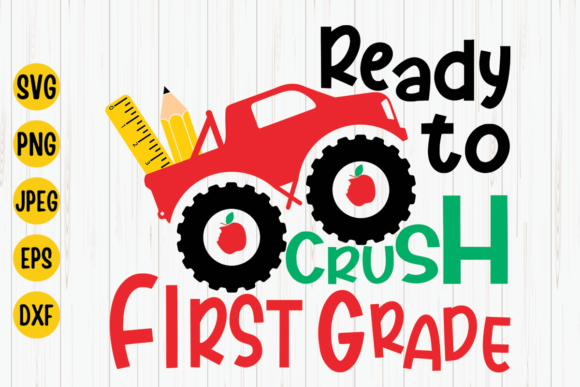
My initial assessment of Ready to Crush First Grade, School Svg focuses on its visual hierarchy. For back-to-school themes, clarity is paramount. Parents want to read the grade level instantly in photos, and kids want bold, recognizable graphics. This design captures that enthusiastic, confident mood necessary for first-grade milestones. From a digitizing perspective, the layout suggests a balance between typography and illustrative elements that typically translates well to fabric.
However, as an experienced designer, I immediately look for potential trouble spots. Is the text too thin for a standard satin stitch? Are the decorative elements detailed enough to hold definition without excessive stitch density? This graphic appears to have sufficient weight in its lines, which is a positive indicator for embroidery. Thin, wispy fonts often require manual modification before stitching, but this design seems structured to support standard commercial embroidery threads. The inclusion of multiple file types like EPS, DXF, and PNG is excellent for those of us who need to resize or modify the artwork in vector software before importing it into our embroidery digitizing programs.
Real-World Application: The Custom Sweatshirt Test
To truly judge this asset, I mentally placed it in a specific production scenario: creating a custom crewneck sweatshirt for a boutique Etsy seller targeting first-grade moms. Sweatshirts are a staple custom apparel item, but fleece and French terry fabrics present unique challenges due to their texture and stretch.
In this scenario, Ready to Crush First Grade, School Svg serves as the centerpiece. If I were stitching this out today, I would treat it as a potential applique design candidate depending on the final size. Large block letters on sweatshirts often benefit from applique to reduce stitch count and prevent the garment from becoming stiff and bulletproof. If the design is intended as pure embroidery, I would verify that the fill stitch patterns have adequate underlay to prevent the fabric texture from poking through the threads. The "Crush" element implies energy, so ensuring the stitches follow the natural flow of the letterforms is vital for that professional, store-bought appearance. A poorly digitized version of this concept would look flat; a well-executed one will have dimension and sheen that elevates the perceived value of the handmade product.
Navigating Fabric Variables and Hoop Limitations
Versatility is key for any craft business, but not every design works on every surface. While Ready to Crush First Grade, School Svg is marketed for mugs, pillows, and posters, embroidery requires stricter parameters. I advise caution when applying this design to items with curved surfaces like caps or highly textured items like terry cloth towels.
- Caps and Hats: Unless the design has been specifically digitized for cylindrical hoops with proper pull compensation, flattening a wide school graphic onto a cap can cause registration errors. Always test on a scrap cap first.
- Stretchy Knits: For baby clothes or lightweight tees, the stabilizer choice is non-negotiable. This design likely has enough coverage to require a cut-away stabilizer to prevent puckering. Using tear-away on a knit garment with this much coverage could distort the neckline or hem.
- Small Hoop Sizes: If you are working with a 4x4 hoop, check the aspect ratio. Resizing a wide "First Grade" banner to fit a square hoop might compress the lettering, making it unreadable. You may need to stack the text vertically rather than shrinking it horizontally.
- Dark Fabrics: High contrast is essential. If stitching white text on a navy sweatshirt, ensure your thread colors are opaque and your density is sufficient to cover the dark background completely without gaps.
Commercial Viability and Brand Consistency
For small shop product owners and digital product sellers, consistency builds trust. Using Ready to Crush First Grade, School Svg across multiple product lines creates a cohesive brand identity. However, because this is a digital download, you must verify the licensing terms before selling finished goods. Never assume commercial rights are included; always check the provider’s specific usage policy.
From a marketing perspective, the high-resolution PNG and JPG files included are invaluable for creating printable mockups. Before I commit to stitching a new design for a client, I overlay the PNG onto a photo of a blank tote bag or pillow. This allows me to approve placement and scale with the customer before wasting materials. This step is crucial for maintaining professionalism and avoiding costly re-dos. The ability to offer matching printable wall art or stickers alongside the embroidered patch or apparel adds significant upsell potential to your shop listings.
Designer Notes: Pre-Stitch Checklist
Before loading Ready to Crush First Grade, School Svg into your machine, run through this practical checklist to ensure success. These steps separate hobbyist results from professional-grade output.
- Verify File Integrity: Although the listing mentions SVG, EPS, PNG, JPG, and DXF, confirm if a native embroidery format (like PES, DST, or EXP) is included. If only vector/print files are provided, you will need to digitize the design yourself or hire a digitizer. Do not attempt to auto-digitize complex text without manual cleanup.
- Test Stitch Density: Run a test sew-out on the exact fabric you intend to use for the final project. Check the back of the embroidery; if the bobbin thread is visible on top or the design feels excessively rigid, adjust the density settings.
- Check Small Details: Inspect any tiny accent marks or periods in the text. In embroidery, anything under 1mm risks breaking needles or disappearing into the weave. These may need to be enlarged or removed.
- Color Contrast Test: View the design in black and white on your computer screen. If the elements blend together without color, they will likely lack definition in thread. Adjust shading or add outlines if necessary.
- Licensing Confirmation: Re-read the license. Can you sell the physical embroidered item? Can you use the image for social media ads? Protecting your business starts with respecting intellectual property.
Final Verdict for Makers
Ready to Crush First Grade, School Svg presents a strong foundation for back-to-season collections. Its bold aesthetic aligns perfectly with the celebratory nature of first-grade milestones, making it a safe bet for personalized gifts and retail inventory. The multi-format availability supports both print and stitch applications, maximizing ROI for creative entrepreneurs.
However, success lies in execution. Treat this asset as a starting point rather than a guaranteed outcome. Respect the physics of thread, test on appropriate fabric texture, and validate your hoop strategy. When applied with professional care, this design has the potential to become a bestseller in your embroidery project lineup, delighting parents and establishing your reputation for quality handmade goods. Whether you are crafting a single keepsake tote bag or fulfilling fifty orders for a school fundraiser, taking the time to evaluate and prep this design properly will ensure the final result is as polished as the student it celebrates.