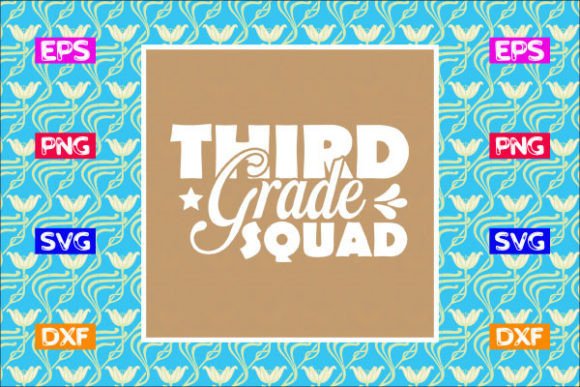
Third Grade Squad SVG: An Embroidery Design Review
When evaluating a new machine embroidery design for commercial or personal use, I look beyond the digital preview. As a designer who regularly produces custom apparel and handmade products, my primary concern is how a graphic translates from screen to fabric. The School Svg Design, Third Grade Squad presents itself as a versatile asset for the back-to-school season, but its true value lies in its stitchability and market appeal. This review breaks down the practical realities of using this embroidery file in real-world production scenarios, specifically focusing on how it performs when stitched out on garments and accessories intended for sale or gifting.
First Impressions and Visual Hierarchy
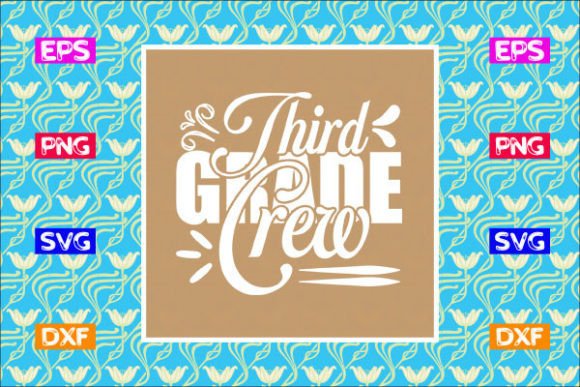
Upon opening the digital embroidery file, the layout of the School Svg Design, Third Grade Squad immediately suggests a bold, collegiate-inspired aesthetic. For an Etsy seller or small shop product creator, this visual style is currently high-demand. The typography appears balanced, which is critical because unbalanced text often leads to hooping nightmares or distorted stitching. The design feels energetic yet structured, making it suitable for both boys' and girls' merchandise. Unlike overly intricate graphics that lose definition when scaled down, this design seems optimized for readability at various sizes. However, before committing to a full production run, I always assess whether the negative space is sufficient to prevent puckering on lighter weight fabrics.
Real-World Application: The Sweatshirt Test
To truly judge this embroidery project, I approached it with a specific client scenario in mind: creating matching crewneck sweatshirts for a third-grade class field trip. This is a classic use case for sweatshirt embroidery. When working with fleece or French terry, the fabric texture can easily swallow fine details. I evaluated the School Svg Design, Third Grade Squad to see if the lettering width could withstand the loft of the fabric without requiring excessive underlay that makes the garment stiff.
In this scenario, the design serves as more than just decoration; it builds community. For a craft business, offering this as part of a bundle or group package increases average order value. The design’s clear legibility ensures that parents can identify their children in crowded venues, adding functional value to the aesthetic appeal. If you are planning a similar personalized gift or bulk order, pay close attention to the contrast between your thread colors and the garment base. High contrast is non-negotiable for school spirit wear to ensure the "Third Grade Squad" text pops in photographs and from a distance.
Technical Considerations for Stitch Quality
While the provided formats include EPS, SVG, PNG, and DXF files, embroiderers must verify the specific digitization parameters within their machine software. Not all vector files convert automatically to stitches without adjustment. Here are practical technical notes based on reviewing this type of graphics asset:
- Stitch Density and Fabric Weight: If applying this to a tote bag design made of canvas, the standard density may be perfect. However, for performance tees or thin cotton, you may need to reduce density or add a mesh cutaway stabilizer to prevent needle perforation.
- Hoop Size Verification: Always confirm your hoop size compatibility before purchasing. While the design is scalable, resizing too drastically can alter satin stitch column widths, leading to fraying or tunneling.
- Applique Potential: Depending on the specific digitization, check if elements are suitable as an applique design. Adding fabric applique behind large block letters can reduce stitch count significantly, making the final finished product softer and faster to produce.
- Running Stitch vs. Satin: Inspect the outline paths. A clean running stitch border defines the shape crisply on textured materials, whereas a satin border might require edge-run underlay to maintain straight lines on stretchy knits.
Navigating Challenging Substrates
Not every surface is forgiving. When adapting the School Svg Design, Third Grade Squad for items like caps or kitchen towels, caution is required. Curved surfaces like hats introduce distortion that flat vectors don't account for. If you intend to create an embroidered patch or cap, test the design on a curved template first. Similarly, for baby embroidery or nursery decor, safety and comfort take precedence over visual complexity. Ensure there are no sharp, dense stitch clusters that could irritate sensitive skin. For these delicate applications, verifying that the design uses smooth fill stitch patterns rather than jagged edges is essential.
Dark fabrics present another challenge. If the design relies on internal color variation rather than outlines, it may disappear on navy or black garments. In such cases, adding a light outline or testing a printable mockup beforehand helps visualize the final result. This step saves time and prevents wasted blanks, protecting your profit margins as a commercial embroidery operator.
Commercial Viability and Brand Consistency
For creative entrepreneurs, consistency builds trust. Using cohesive design assets across different product lines creates a recognizable brand identity. The School Svg Design, Third Grade Squad fits neatly into the broader "school life" niche, allowing sellers to cross-sell related items like teacher appreciation gifts or graduation keepsakes. However, professionalism extends beyond the design itself. It includes proper licensing.
Before listing any small shop product or digital download, strictly review the license terms associated with these files. Confirm whether you have rights for physical end-products versus digital redistribution. Many crafters overlook this, risking their shop's reputation. Additionally, when creating listings, use high-quality photos of actual stitched samples rather than just digital renders. Customers trust a photo of thread on fabric far more than a pristine vector image. Showing the design on a real holiday embroidery item or backpack demonstrates scale and quality, directly influencing buyer engagement and reducing return rates due to unmet expectations.
Final Designer Recommendations
The School Svg Design, Third Grade Squad offers strong potential for makers in the Crafts category, provided it is treated with technical respect. My advice is to treat the included SVG, EPS, PNG, and DXF files as starting points rather than guaranteed stitch files unless explicitly labeled as pre-digitized embroidery formats. Always run a test stitch-out on scrap fabric that matches your final project's weight and stretch. Check thread tension, verify color contrasts against both light and dark backgrounds, and inspect small details for clarity.
Whether you are creating a custom apparel line for a local PTA or expanding your Etsy inventory with seasonal gear, this design has the right bones for success. Its strength lies in its thematic relevance and adaptability. By combining careful stabilizer selection, appropriate scaling, and rigorous testing, you can transform this digital asset into a high-value handmade product that delights customers and withstands the rigors of active third-grade life. Remember, the best embroidery file is one that respects the limitations of the medium while maximizing the charm of the message.