School Svg Design: Third Grade Crew Review
As a professional embroidery designer and product reviewer, I approach every new digital asset with a specific question: will this actually stitch out cleanly on a real garment? When evaluating the School Svg Design, Third Grade Crew, my focus shifts immediately from the screen to the hoop. This design captures a distinct nostalgic yet modern academic aesthetic that appeals strongly to parents, teachers, and school spirit enthusiasts. However, translating a graphic file into a tangible handmade product requires understanding how vector lines convert to thread paths. My assessment below breaks down exactly how this design performs in a commercial or hobbyist studio environment.
First Impressions and Visual Personality
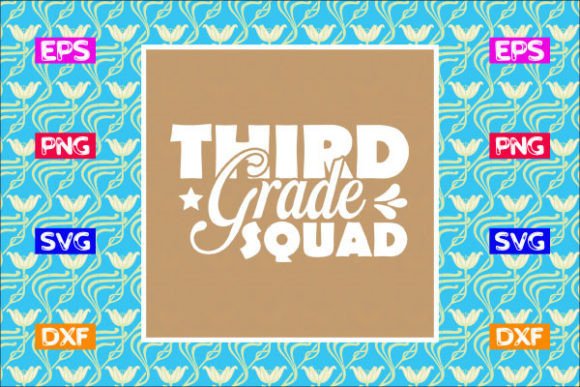
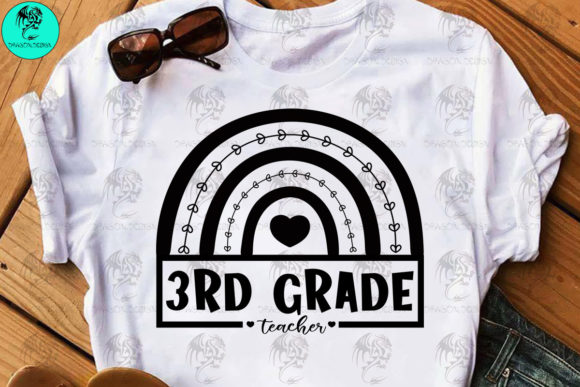
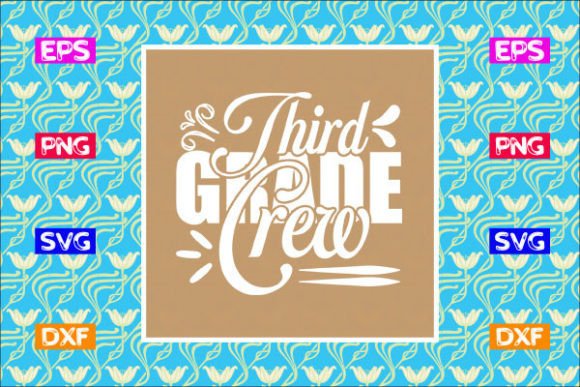
Upon opening the files, the School Svg Design, Third Grade Crew presents a balanced composition. The typography suggests a varsity or collegiate influence softened for an elementary age group, creating a mood that is celebratory without being overly juvenile. For an Etsy seller or boutique owner, this visual tone is crucial. It bridges the gap between "cute kid stuff" and "trendy apparel," which is often the sweet spot for sales. The layout feels intentional, likely designed to center well on chest placements or tote bags. As a graphics asset, it has strong bones, but as an embroidery foundation, its success depends entirely on how you interpret those lines into stitches.
Real-World Application: The Sweatshirt Test
To truly evaluate this design, I mentally placed it in a high-stakes scenario: creating a custom crewneck sweatshirt for a third-grade class party. Sweatshirts are unforgiving; the fleece texture can swallow fine details, and the stretchiness demands proper stabilization. In this context, the School Svg Design, Third Grade Crew shines if treated as a bold statement piece rather than intricate artwork.
If you are planning sweatshirt embroidery, consider converting solid areas of the graphic into applique sections rather than dense fill stitches. Heavy fill stitch on fleece creates a bulletproof patch effect that causes puckering and discomfort. By utilizing the SVG or DXF files to create cut lines for an applique design, you reduce stitch count significantly while maintaining the vibrant color blocks necessary for the "Third Grade Crew" identity to pop against heather grey or navy fabric. This approach also increases the perceived value of the custom apparel, as applique is viewed as a premium technique compared to standard direct embroidery.
Navigating Fabric Textures and Hoop Limitations
Not every project is a smooth cotton t-shirt. When using this design for items like canvas tote bags or textured tea towels, you must adjust your expectations. The School Svg Design, Third Grade Crew likely contains elements that require crisp edges. On rougher fabrics, running stitches can get lost. I recommend increasing the underlay density or using a water-soluble topping to keep the stitches sitting on top of the fabric weave rather than sinking in.
Hoop size is another critical variable. While the digital file may be scalable, physics is not. If you attempt to shrink this design down for a small pocket logo or a baby bib, verify the lettering height first. Text in school-themed designs often includes serifs or internal counters (the holes in letters like 'A' or 'B'). If scaled below 4mm in height, these details will stitch out as muddy blobs. Always check your machine’s minimum text capabilities before committing this digital embroidery file to small-scale projects. Conversely, scaling up for a large back print requires checking stitch density to prevent the design from becoming too heavy or stiff.
Commercial Viability for Makers and Sellers
For those running a craft business, versatility is key. The inclusion of EPS, SVG, PNG, and DXF formats makes this package highly functional beyond just embroidery. The PNG files allow you to create accurate printable mockups for your listings before you ever thread a needle. This is essential for testing market demand. You can list the "Third Grade Crew" concept on multiple products—mugs, stickers, and shirts—using the graphics, then only invest time in digitizing or stitching when orders come in.
However, a word of caution regarding licensing: always confirm the specific terms attached to your purchase. Just because a file is labeled as a commercial embroidery asset does not automatically grant rights to resell the digital file itself or use it for mass production without attribution. Professional integrity matters. Ensure your usage aligns with the creator's license to maintain trust with your customer base and avoid platform penalties.
Technical Considerations for Stitch Clarity
When preparing the School Svg Design, Third Grade Crew for production, pay close attention to contrast and legibility. School colors are often dark (navy, forest green, maroon). If stitching white or light-colored text onto dark garments, you must account for push-pull distortion. Dark fabrics tend to pull stitches inward, making letters appear thinner. Compensate by slightly widening satin stitch columns or adding extra underlay.
Furthermore, consider the washability of the finished product. Kids' clothes endure rigorous laundering. Avoid decorative specialty threads that might fade or break. Stick to high-quality polyester or rayon threads that match the durability of the garment. A beautiful design is useless if it falls apart after three wash cycles. Your reputation as a maker depends on the longevity of your work, not just the initial visual appeal.
Designer Notes for Successful Execution
Before listing any item featuring this design or gifting it to a client, adhere to this practical checklist:
- Test Stitch First: Never run a final product without a test sew-out on similar scrap fabric. Check for registration issues between outline and fill.
- Stabilizer Selection: Match stabilizer weight to fabric. Use cut-away for stretchy knits and tear-away for stable wovens. Do not rely solely on spray adhesive.
- Color Verification: View the design in black and white during the editing phase to ensure contrast exists independent of color. This reveals structural weaknesses.
- Detail Inspection: Zoom in to 100% on your embroidery software to check for overlapping stitches or unnecessary trims that could slow production.
- Mockup Accuracy: Use the provided PNGs to show clients realistic placement. Misleading mockups lead to returns.
- File Compatibility: Confirm your machine reads the specific file type provided. While SVG and DXF are great for cutting machines and vector editing, ensure you have a proper embroidery format (like PES, DST, or JEF) generated from these source files before hitting start.
Final Thoughts on Project Suitability
The School Svg Design, Third Grade Crew is a robust starting point for seasonal and educational merchandise. Its strength lies in its clear thematic identity, which resonates emotionally with buyers looking to celebrate academic milestones. Whether you are producing personalized gifts for teacher appreciation week, creating uniform alternatives for a homeschool co-op, or stocking your shop with back-to-school essentials, this design offers significant potential.
Success, however, is not automatic. It requires the maker to respect the technical limitations of thread and fabric. By treating this graphic as a blueprint rather than a finished product, and by applying professional embroidery standards regarding density, stabilization, and scale, you can transform these digital files into high-quality goods that customers will cherish. Remember, in the world of handmade and customized apparel, the difference between amateur and professional is almost always found in the preparation. Take the time to understand the design, and it will serve your business well.